






<?xml version="1.0" encoding="UTF-8"?>
<!-- generator="wordpress/2.3.1" -->
<rss version="2.0"
	xmlns:content="http://purl.org/rss/1.0/modules/content/"
	xmlns:wfw="http://wellformedweb.org/CommentAPI/"
	xmlns:dc="http://purl.org/dc/elements/1.1/"
	>

<channel>
	<title>Science score blog &#124; kids elementary science &#124; interesting fun facts for children</title>
	<link>http://www.sciencescore.com/blog</link>
	<description>Science Score blog covers curious articles in elementary science for kids, interesting fun facts enhancing kids love for science and useful articles to help handle kids issues and boost kids acheivement</description>
	<pubDate>Mon, 30 Nov 2009 08:44:04 +0000</pubDate>
	<generator>http://wordpress.org/?v=2.3.1</generator>
	<language>en</language>
			<item>
		<title>THE SECRET LANGUAGE OF BEES</title>
		<link>http://www.sciencescore.com/blog/?p=45</link>
		<comments>http://www.sciencescore.com/blog/?p=45#comments</comments>
		<pubDate>Mon, 30 Nov 2009 08:44:04 +0000</pubDate>
		<dc:creator>Binky</dc:creator>
		
		<category><![CDATA[Curious Science for kids]]></category>

		<category><![CDATA[bees]]></category>

		<category><![CDATA[curious]]></category>

		<category><![CDATA[elementary]]></category>

		<category><![CDATA[kids]]></category>

		<category><![CDATA[language]]></category>

		<category><![CDATA[science]]></category>

		<category><![CDATA[secret]]></category>

		<category><![CDATA[voice]]></category>

		<guid isPermaLink="false">http://www.sciencescore.com/blog/?p=45</guid>
		<description><![CDATA[
 	 	
 
If you listen to a hive of bees, what you&#8217;ll hear is a droning, humming buzz.  Sometimes it gets so loud that you might wonder how the bees hear each other at all.  Well, the truth is: they don&#8217;t. Bees don&#8217;t need to hear each other, because they don&#8217;t talk to [...]]]></description>
			<content:encoded><![CDATA[<p><meta http-equiv="CONTENT-TYPE" content="text/html; charset=utf-8" /><title></title><meta name="GENERATOR" content="OpenOffice.org 2.3  (Linux)" /></p>
<style type="text/css"> 	<!-- 		@page { size: 8.5in 11in; margin: 0.79in } 		TD P { margin-bottom: 0in } 		P { margin-bottom: 0.08in } 	--> 	</style>
<p style="margin-bottom: 0.2in"> <img src="http://www.sciencescore.com/blog/blog_images/bee-voice.jpg" alt="The secret language of bees" width="445" height="309" /></p>
<p style="margin-bottom: 0.2in"><font face="Arial, sans-serif"><font size="2">If you listen to a hive of bees, what you&#8217;ll hear is a droning, humming buzz.  Sometimes it gets so loud that you might wonder how the bees hear each other at all.  Well, the truth is: they don&#8217;t. Bees don&#8217;t need to hear each other, because they don&#8217;t talk to each other using sounds. Bees talk to each other by making smells, and by dancing!</font></font></p>
<p style="margin-bottom: 0.2in"><font face="Arial, sans-serif"><font size="2">In school science, you might learn that a hive contains a queen bee and thousands of worker bees. The big queen is surrounded by her &#8220;court&#8221; of about twelve bees. The queen&#8217;s court feeds her and cleans her, but if you look closely, you can also see them brushing their antennae against the queen&#8217;s body over and over again.  They&#8217;re doing this because a queen produces something called pheromones, which are smelly chemicals, and different pheromones tell the bees in the hive to do different things.  A worker bee in the queen&#8217;s court picks up the pheromones from the queen, and then uses her antennae to spread that smell around the hive.</font></font></p>
<p style="margin-bottom: 0.2in"><font face="Arial, sans-serif"><font size="2">Soldier bees make some important smells, too. Soldiers are older worker bees who guard the entrance to the hive from any insects or other animals who might threaten the hive or the babies inside.  If a soldier senses danger, she releases a &#8220;warning&#8221; pheromone that tells all the other bees to come help with their stingers ready. School science teaches us to leave bees alone, and with good reason; if you swat at a bee and she releases that warning smell, you might have a whole hive of angry bees to deal with instead!</font></font></p>
<p style="margin-bottom: 0.2in"><font face="Arial, sans-serif"><font size="2">Even dead bees can communicate with the hive. When a bee dies, she releases a &#8220;dead bee&#8221; pheromone.  This is important because a hive is crammed full of thousands of bees, and they have to keep it tidy and clean so that the bees in the hive don&#8217;t get sick. So as soon as a worker picks up that &#8220;dead bee&#8221; smell on her antennae, the smell guides her to the bee so she can pick it up in her jaws and carry it out of the hive.</font></font></p>
<p style="margin-bottom: 0.2in"><font face="Arial, sans-serif"><font size="2">But smells aren&#8217;t the only ways bees talk to each other; they also like to dance!</font></font></p>
<p style="margin-bottom: 0.2in"><font face="Arial, sans-serif"><font size="2">Bees need lots of nectar and pollen, so when a bee finds some, she needs to tell the other bees where to find it. She does this using something called the &#8220;waggle dance&#8221;.  She stands facing in one direction and waggles her abdomen back and forth; each waggle represents a certain distance. Then she turns in a figure-eight and waggles again. She repeats this dance over and over, and the other workers watch her carefully. What&#8217;s she&#8217;s doing is giving them a complicated set of directions: she&#8217;s saying &#8220;when you leave the hive, turn this way and go this far, then you turn this way and go this far.&#8221;</font></font></p>
<p style="margin-bottom: 0.2in"><font face="Arial, sans-serif"><font size="2">But although the waggle dance is the most famous, there are many other dances that bees use to talk to each other.  The &#8220;round dance&#8221; is a circular dance that says &#8220;hey, there&#8217;s food near the hive!&#8221;, a &#8220;vibrating dance&#8221; that tell lazy workers &#8220;hey, get up and do something!&#8221;, and even a shaky, staggering dance tells other bees &#8220;somebody please clean me!&#8221;</font></font></p>
<p style="margin-bottom: 0.2in"><font face="Arial, sans-serif"><font size="2">Bee talk is some real science fun. Imagine if you had to get your ideas across using only smells and dances. People might start to avoid you if you got really smelly, but what kind of dances would you do do to say &#8220;I&#8217;m hungry,&#8221; or &#8220;I don&#8217;t want to go to bed right now.&#8221; Maybe the next time you have trouble thinking of the right thing to say, you should just make like a bee and dance it out instead!</font></font></p>
<p style="margin-bottom: 0.2in"><em></em><em><font face="Arial, sans-serif"><font size="2">Post by Sarah</font></font></em></p>
<script type="text/javascript">
  addthis_url    = 'http%3A%2F%2Fwww.sciencescore.com%2Fblog%2F%3Fp%3D45';
  addthis_title  = 'THE+SECRET+LANGUAGE+OF+BEES';
  addthis_pub    = 'sciencescore';
</script><script type="text/javascript" src="http://s7.addthis.com/js/addthis_widget.php?v=12" ></script>
]]></content:encoded>
			<wfw:commentRss>http://www.sciencescore.com/blog/?feed=rss2&amp;p=45</wfw:commentRss>
		</item>
		<item>
		<title>Cooking up Chemistry in the Kitchen!</title>
		<link>http://www.sciencescore.com/blog/?p=51</link>
		<comments>http://www.sciencescore.com/blog/?p=51#comments</comments>
		<pubDate>Mon, 23 Nov 2009 04:01:07 +0000</pubDate>
		<dc:creator>Binky</dc:creator>
		
		<category><![CDATA[Curious Science for kids]]></category>

		<category><![CDATA[chemistry]]></category>

		<category><![CDATA[cooking]]></category>

		<category><![CDATA[intersting]]></category>

		<category><![CDATA[kids]]></category>

		<category><![CDATA[kitchen]]></category>

		<category><![CDATA[science]]></category>

		<guid isPermaLink="false">http://www.sciencescore.com/blog/?p=51</guid>
		<description><![CDATA[
 	 	
Hey kids, when most people hear the word &#8220;chemistry&#8221;, they think of creepy laboratories with bubbling beakers of toxic goo. But chemistry can happen any time two different things react together to make something new, and there are fun science experiments that you can do right in your kitchen!
Experiment 1: Magic Mud
All you [...]]]></description>
			<content:encoded><![CDATA[<p><meta http-equiv="CONTENT-TYPE" content="text/html; charset=utf-8" /><title></title><meta name="GENERATOR" content="OpenOffice.org 2.3  (Linux)" /><img src="http://www.sciencescore.com/blog/blog_images/kitchen_chemistry.jpg" alt="Cooking up chemistry in the kitchen" width="445" height="317" /></p>
<style type="text/css"> 	<!-- 		@page { size: 8.5in 11in; margin: 0.79in } 		TD P { margin-bottom: 0in } 		P { margin-bottom: 0.08in } 	--> 	</style>
<p style="margin-bottom: 0.2in"><font face="Arial, sans-serif"><font size="2">Hey kids, when most people hear the word &#8220;chemistry&#8221;, they think of creepy laboratories with bubbling beakers of toxic goo. But chemistry can happen any time two different things react together to make something new, and there are fun science experiments that you can do right in your kitchen!</font></font></p>
<p style="margin-bottom: 0.2in"><font face="Arial, sans-serif"><font size="2"><strong>Experiment 1: Magic Mud</strong></font></font></p>
<p style="margin-bottom: 0.2in"><font face="Arial, sans-serif"><font size="2">All you need for this experiment is some cornstarch, water, and a little bit of food colouring to show it off. </font></font></p>
<ol>
<li><font face="Arial, sans-serif"><font size="2">Add 5 tablespoons 	of cornstarch to a bowl. Make sure you use something to scrape off 	the extra starch so you have a nice level spoonful.</font></font></li>
<li><font face="Arial, sans-serif"><font size="2">Add 3 tablespoons 	of water to the bowl.</font></font></li>
<li><font face="Arial, sans-serif"><font size="2">Add 3 drops of 	food colouring.</font></font></li>
<li>
<p style="margin-bottom: 0.2in"><font face="Arial, sans-serif"><font size="2">Stir 	the mixture.</font></font></p>
</li>
</ol>
<p style="margin-bottom: 0.2in"><font face="Arial, sans-serif"><font size="2">This mixture should be hard to stir unless you stir very, very slowly.  If it seems runny, add a few pinches more cornstarch. If it seems really dry, add a bit more water.</font></font></p>
<p style="margin-bottom: 0.2in"><font face="Arial, sans-serif"><font size="2">Now try squeezing a little bit of your magic mud between your fingers and rolling it into a ball. Then open your hand and watch what happens. Poke the top of your magic mud quickly, and your finger will bounce off. But if you sink your finger in slowly, the mud will swallow it up!  It acts like a liquid and a solid!</font></font></p>
<p style="margin-bottom: 0.2in"><font face="Arial, sans-serif"><font size="2">For a real adventure, try using the same measurements (5 parts cornstarch, 3 parts water) to make up a really big batch in a large pan, or even a kids&#8217; swimming pool!  If you run fast enough, you can actually run across the top of the magic mud. Just don&#8217;t slow down, or you&#8217;ll find yourself sinking into the goo!</font></font></p>
<p style="margin-bottom: 0.2in"><font face="Arial, sans-serif"><font size="2"><strong>Experiment 2: The Incredible Giant Hand</strong></font></font></p>
<p style="margin-bottom: 0.2in"><font face="Arial, sans-serif"><font size="2">For this experiment, you will need baking soda, vinegar, and a rubber glove. If you don&#8217;t have one, you could use a balloon to make The Incredible Giant Head.</font></font></p>
<ol>
<li><font face="Arial, sans-serif"><font size="2">Use a marker to 	draw hair on the rubber glove (or a face on the balloon).</font></font></li>
<li><font face="Arial, sans-serif"><font size="2">Carefully add a 	few spoonfulls of baking soda to the glove.</font></font></li>
<li><font face="Arial, sans-serif"><font size="2">Pour some vinegar 	into the glove.</font></font></li>
<li>
<p style="margin-bottom: 0.2in"><font face="Arial, sans-serif"><font size="2">Tie 	the glove closed, like you would a balloon. Shake it around a bit.</font></font></p>
</li>
</ol>
<p style="margin-bottom: 0.2in"><font face="Arial, sans-serif"><font size="2">Now watch what happens. The hand (or head) will grow!</font></font></p>
<p style="margin-bottom: 0.2in"><font face="Arial, sans-serif"><font size="2">When the solid baking soda and the liquid vinegar meet, they react to form a gas called carbon dioxide. They make so much of it that it will blow up your balloon for you.</font></font></p>
<p style="margin-bottom: 0.2in"><font face="Arial, sans-serif"><font size="2"><strong>Experiment 3: Acid or Alkali</strong></font></font></p>
<p style="margin-bottom: 0.2in"><font face="Arial, sans-serif"><font size="2">For this experiment, you need some beetroot or red cabbage. It also provides you with a tasty snack.</font></font></p>
<ol>
<li><font face="Arial, sans-serif"><font size="2">Have an adult 	help you boil the cabbage or beetroot until the water changes 	colour.</font></font></li>
<li>
<p style="margin-bottom: 0.2in"><font face="Arial, sans-serif"><font size="2">Collect 	some of the coloured water.</font></font></p>
</li>
</ol>
<p style="margin-bottom: 0.2in"><font face="Arial, sans-serif"><font size="2">Scientists use something called pH indicator to measure how acid or alkali something is. Different acids and alkalis will make the indicator change different colours.</font></font></p>
<p style="margin-bottom: 0.2in"><font face="Arial, sans-serif"><font size="2">You&#8217;ve just made pH indicator. Have an adult help you test small amounts of your coloured water with acids and alkalis around the house. Vinegar, juice, household cleaners, antacid tablets, and baking soda are good places to start. The more acidic something is, the lower the pH number. See if you can figure out the pH of your test subjects:</font></font></p>
<p style="margin-bottom: 0.2in">     <font face="Arial, sans-serif"><font size="2"><strong>pH           Colour</strong></font></font></p>
<p style="margin-bottom: 0.2in">      <font face="Arial, sans-serif"><font size="2">2               red (very acidic)</font></font></p>
<p style="margin-bottom: 0.2in">      <font face="Arial, sans-serif"><font size="2">4               purple</font></font></p>
<p style="margin-bottom: 0.2in">      <font face="Arial, sans-serif"><font size="2">6               violet</font></font></p>
<p style="margin-bottom: 0.2in">      <font face="Arial, sans-serif"><font size="2">8               blue</font></font></p>
<p style="margin-bottom: 0.2in">      <font face="Arial, sans-serif"><font size="2">10             blue-green</font></font></p>
<p style="margin-bottom: 0.2in">      <font face="Arial, sans-serif"><font size="2">12             yellow-green (very alkali)</font></font></p>
<p style="margin-bottom: 0.2in"><font face="Arial, sans-serif"><font size="2">And the best part about this experiment is that you can eat the vegetables you cooked! Now that&#8217;s fun science!</font></font></p>
<p style="margin-bottom: 0.2in"><em></em><em><font face="Arial, sans-serif"><font size="2">Post by Sarah</font></font></em></p>
<script type="text/javascript">
  addthis_url    = 'http%3A%2F%2Fwww.sciencescore.com%2Fblog%2F%3Fp%3D51';
  addthis_title  = 'Cooking+up+Chemistry+in+the+Kitchen%21';
  addthis_pub    = 'sciencescore';
</script><script type="text/javascript" src="http://s7.addthis.com/js/addthis_widget.php?v=12" ></script>
]]></content:encoded>
			<wfw:commentRss>http://www.sciencescore.com/blog/?feed=rss2&amp;p=51</wfw:commentRss>
		</item>
		<item>
		<title>A Romp Through a Rainforest</title>
		<link>http://www.sciencescore.com/blog/?p=55</link>
		<comments>http://www.sciencescore.com/blog/?p=55#comments</comments>
		<pubDate>Mon, 09 Nov 2009 04:05:36 +0000</pubDate>
		<dc:creator>Binky</dc:creator>
		
		<category><![CDATA[Curious Science for kids]]></category>

		<category><![CDATA[forest]]></category>

		<category><![CDATA[interesting]]></category>

		<category><![CDATA[kids]]></category>

		<category><![CDATA[rain]]></category>

		<category><![CDATA[science]]></category>

		<guid isPermaLink="false">http://www.sciencescore.com/blog/?p=55</guid>
		<description><![CDATA[
 	 	
Hey kids, do you know where you can find more living things in one place than anywhere else in the world?  In a tropical rainforest!
Rainforests are exactly what their name suggests: warm, dense forests that are very wet.Tropical rainforests are found close to the Earth&#8217;s equator, and they are home to millions of [...]]]></description>
			<content:encoded><![CDATA[<p><meta http-equiv="CONTENT-TYPE" content="text/html; charset=utf-8" /><title></title><meta name="GENERATOR" content="OpenOffice.org 2.3  (Linux)" /><img src="http://www.sciencescore.com/blog/blog_images/rainforest.jpg" alt="rainforest" height="334" width="445" /></p>
<style type="text/css"> 	<!-- 		@page { size: 8.5in 11in; margin: 0.79in } 		TD P { margin-bottom: 0in } 		P { margin-bottom: 0.08in } 	--> 	</style>
<p style="margin-bottom: 0.2in"><font face="Arial, sans-serif"><font size="2">Hey kids, do you know where you can find more living things in one place than anywhere else in the world?  In a tropical rainforest!</font></font></p>
<p style="margin-bottom: 0.2in"><font face="Arial, sans-serif"><font size="2">Rainforests are exactly what their name suggests: warm, dense forests that are very wet.Tropical rainforests are found close to the Earth&#8217;s equator, and they are home to millions of plant and animals. In school science, we can learn the four layers of the rainforest. </font></font></p>
<p style="margin-bottom: 0.2in"><font face="Arial, sans-serif"><font size="2">Towering above all the other parts of the rainforest are emergents: giant trees taller than any other in the rainforest that stick up above their neighbours. Emergents are homes to many birds and insects.</font></font></p>
<p style="margin-bottom: 0.2in"><font face="Arial, sans-serif"><font size="2">The canopy is the leafy part of the rainforest, made up of the tops of the trees. The canopy grows so thick and close together that rain falling on it can take 10 minutes to reach the ground!  Many amazing plants and animals are found here, including sloths. Sloths have long toes that they use to hang upside down from branches; they spend most of their lives upside-down, and will eat, sleep, and even give birth upside down!  Sloths are also famous for being the slowest animals on earth. They are so slow that algae grows in their fur and turns them green!</font></font></p>
<p style="margin-bottom: 0.2in"><font face="Arial, sans-serif"><font size="2">Under the canopy but above the ground is the understory of the rainforest. It consists mainly of the trunks of trees and the vines and other plantlife that grows over them. Many flowers grow in the understory, and thousands of birds and butterflies find their food there.</font></font></p>
<p style="margin-bottom: 0.2in"><font face="Arial, sans-serif"><font size="2">Finally, we reach the lowest part of the rainforest: the forest floor. It is home to millions of insects, and some of the largest animals in the rainforest also live there.</font></font></p>
<p style="margin-bottom: 0.2in"><font face="Arial, sans-serif"><font size="2">School science tells us that it&#8217;s important to preserve the rainforest because of all the plants and animals that live  there, but one of the most interesting facts about rainforests is that the trees also provide much of the air that we breathe! Rainforests are also important because the cures to many illnesses have been found in the plants that grow there.</font></font></p>
<p style="margin-bottom: 0.2in"><font face="Arial, sans-serif"><font size="2">Here are some other interesting facts about tropical rainforests:</font></font></p>
<p style="margin-bottom: 0.2in"><font face="Arial, sans-serif"><font size="2">The largest butterfly in the world is the Queen Alexandra&#8217;s Birdwing butterfly from the rainforests of Papua New Guinea. This massive butterfly has a wingspan of 30 cm, and it&#8217;s also poisonous! The caterpillars eat a poisonous rainforest plant, which means that any predators that try to eat a Queen Alexandra&#8217;s birdwing get very sick, and soon learn to leave all of them alone.</font></font></p>
<p style="margin-bottom: 0.2in"><font face="Arial, sans-serif"><font size="2">The rainforests of Sumatra are home to the largest flower in the world – which is also the smelliest.  The corpse flower has a blossom over a metre wide, and it gives off a stench like rotting flesh that can be smelled up to 800 metres away!</font></font></p>
<p style="margin-bottom: 0.2in"><font face="Arial, sans-serif"><font size="2">The Congo rainforest in Africa has its very own unicorns! Okapi are deerlike animals related to giraffes, with striped legs like a zebra. They have two horns on their heads, but if you look at an okapi from the right angle, the two horns look like one. This earned them their nickname of &#8220;African unicorns.&#8221;</font></font></p>
<p style="margin-bottom: 0.2in"><font face="Arial, sans-serif"><font size="2">And the coolest thing about rainforests is that there are so many plants and animals in them that we haven&#8217;t discovered them all yet! Maybe you can visit a rainforest and discover a new species someday.</font></font></p>
<p style="margin-bottom: 0.2in"><em></em><em><font face="Arial, sans-serif"><font size="2">Post by Sarah</font></font></em></p>
<script type="text/javascript">
  addthis_url    = 'http%3A%2F%2Fwww.sciencescore.com%2Fblog%2F%3Fp%3D55';
  addthis_title  = 'A+Romp+Through+a+Rainforest';
  addthis_pub    = 'sciencescore';
</script><script type="text/javascript" src="http://s7.addthis.com/js/addthis_widget.php?v=12" ></script>
]]></content:encoded>
			<wfw:commentRss>http://www.sciencescore.com/blog/?feed=rss2&amp;p=55</wfw:commentRss>
		</item>
		<item>
		<title>Mysteries of the Deep</title>
		<link>http://www.sciencescore.com/blog/?p=54</link>
		<comments>http://www.sciencescore.com/blog/?p=54#comments</comments>
		<pubDate>Mon, 02 Nov 2009 04:12:23 +0000</pubDate>
		<dc:creator>Binky</dc:creator>
		
		<category><![CDATA[Curious Science for kids]]></category>

		<category><![CDATA[deep]]></category>

		<category><![CDATA[interesting]]></category>

		<category><![CDATA[kids]]></category>

		<category><![CDATA[ocean]]></category>

		<category><![CDATA[rain]]></category>

		<category><![CDATA[science]]></category>

		<guid isPermaLink="false">http://www.sciencescore.com/blog/?p=54</guid>
		<description><![CDATA[
 	 	
Hey kids, what do you think is the most unexplored part of our planet?  It’s not the depths of the rainforest. It’s not the burning deserts. It’s not even the frozen Arctic waste. The most unexplored parts of our planet are our oceans!  We’re just beginning to realize what kind of incredible mysteries [...]]]></description>
			<content:encoded><![CDATA[<p><meta http-equiv="CONTENT-TYPE" content="text/html; charset=utf-8" /><title></title><meta name="GENERATOR" content="OpenOffice.org 2.3  (Linux)" /><img src="http://www.sciencescore.com/blog/blog_images/ocean.jpg" alt="ocean" height="263" width="445" /></p>
<style type="text/css"> 	<!-- 		@page { size: 8.5in 11in; margin: 0.79in } 		TD P { margin-bottom: 0in } 		P { margin-bottom: 0.08in } 	--> 	</style>
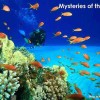
<p style="margin-bottom: 0.2in"><font face="Arial, sans-serif"><font size="2">Hey kids, what do you think is the most unexplored part of our planet?  It’s not the depths of the rainforest. It’s not the burning deserts. It’s not even the frozen Arctic waste. The most unexplored parts of our planet are our oceans!  We’re just beginning to realize what kind of incredible mysteries are hidden in the deep, dark waters.</font></font></p>
<p style="margin-bottom: 0.2in"><font face="Arial, sans-serif"><font size="2">Our oceans make up a huge part of our planet – over 70% of the Earth’s surface is covered by them! They help control the temperature of the planet, shape the weather, and are home to millions of living things. </font></font></p>
<p style="margin-bottom: 0.2in"><font face="Arial, sans-serif"><font size="2">The deepest part of our planet is the Mariana trench, near Japan and the Philippines. At it’s deepest point, it reaches 10,924 metres (or 6.78 miles) deep. That means if you were to take Mount Everest, the highest mountain on Earth, and stick it at the deepest part of this trench, there would still be more than 2 kilometers of water over the top of it!</font></font></p>
<p style="margin-bottom: 0.2in"><font face="Arial, sans-serif"><font size="2">Fortunately, scientists have invented special deep water research cameras and vehicles that can reach into the cold, dark, high-pressure world of the deep sea. And what we&#8217;re starting to discover is that these dark, deep, freezing waters are filled with living things. Go down deep enough, and the living things you find look like aliens from another world; it&#8217;s discovering these strange creatures that makes science fun! </font></font></p>
<p style="margin-bottom: 0.2in"><font face="Arial, sans-serif"><font size="2">Imagine yourself stranded on the bottom of the ocean, with cold black water all around you. Suddenly, you see a light wiggling around in front of you. You&#8217;re drawn toward it, and wonder if maybe it&#8217;s something good to eat. You reach for it&#8230; and find yourself face-to-face with a mouthful of razor sharp teeth! You&#8217;ve just met an anglerfish.</font></font></p>
<p style="margin-bottom: 0.2in"><font face="Arial, sans-serif"><font size="2">An anglerfish is a hunter whose body is camouflaged to look like the floor of the ocean. In the middle of its head is a long tentacle with a sac on the end filled with glowing bacteria. The anglerfish hides itself on the ocean floor, and wiggles its tentacle around. Unsuspectitng fish are attracted to the worm-like tentacle, thinking it might make a tasty meal, and snap! They are chomped up by the anglerfish&#8217;s jaws, which look just like a mouth full of knives!</font></font></p>
<p style="margin-bottom: 0.2in"><font face="Arial, sans-serif"><font size="2">Have you ever seen those little grey pillbugs that you can find in the garden? They look like tiny grey tanks, and roll up into an armoured ball if they are threatened. Well at the bottom of the ocean, you can find an animal that looks just like one of those pillbugs – only it&#8217;s over a foot long! </font></font></p>
<p style="margin-bottom: 0.2in"><font face="Arial, sans-serif"><font size="2">But one of the most fearsome creatures in the ocean is the famous giant squid. For many years, people thought the giant squid was just a legend. Then whale watchers started to notice marks on the sides of some whales, like they&#8217;d been caught by a suction cup that was the size of a dinner plate! Finally, the bodies of some squid washed up on the shores of Newfoundland, and the squid went from science fiction to science fact! They can grow up to 13 metres long, and are wicked predators, snaring prey with the serrated suction cups on their tentacles and devouring them with their sharp beaks.</font></font></p>
<p style="margin-bottom: 0.2in"><font face="Arial, sans-serif"><font size="2">Even though we think we&#8217;ve explored the planet, we&#8217;ve really just scratched the surface. There&#8217;s a whole world left to explore under the sea!</font></font></p>
<p style="margin-bottom: 0.2in"><em><font face="Arial, sans-serif"><font size="2">Post by Sarah</font></font></em></p>
<script type="text/javascript">
  addthis_url    = 'http%3A%2F%2Fwww.sciencescore.com%2Fblog%2F%3Fp%3D54';
  addthis_title  = 'Mysteries+of+the+Deep';
  addthis_pub    = 'sciencescore';
</script><script type="text/javascript" src="http://s7.addthis.com/js/addthis_widget.php?v=12" ></script>
]]></content:encoded>
			<wfw:commentRss>http://www.sciencescore.com/blog/?feed=rss2&amp;p=54</wfw:commentRss>
		</item>
		<item>
		<title>Playing with Electricity: Fun Experiments to do at Home</title>
		<link>http://www.sciencescore.com/blog/?p=56</link>
		<comments>http://www.sciencescore.com/blog/?p=56#comments</comments>
		<pubDate>Mon, 26 Oct 2009 04:33:32 +0000</pubDate>
		<dc:creator>Binky</dc:creator>
		
		<category><![CDATA[Curious Science for kids]]></category>

		<category><![CDATA[electricity]]></category>

		<category><![CDATA[experiments]]></category>

		<category><![CDATA[fun]]></category>

		<category><![CDATA[kids]]></category>

		<category><![CDATA[playing]]></category>

		<category><![CDATA[science]]></category>

		<guid isPermaLink="false">http://www.sciencescore.com/blog/?p=56</guid>
		<description><![CDATA[
 	 	
Everyone knows it&#8217;s dangerous to play with electricity. If a strong enough electrical current runs through your body, it can overpower the electrical messages your body sends to your brain, or even stop your heart!  Fortunately, kids science has some easy elementary science experiments you can do that are safe to try at [...]]]></description>
			<content:encoded><![CDATA[<p><meta http-equiv="CONTENT-TYPE" content="text/html; charset=utf-8" /><title></title><meta name="GENERATOR" content="OpenOffice.org 2.3  (Linux)" /><img src="http://www.sciencescore.com/blog/blog_images/fun_electricity.jpg" alt="Playing with electricity" width="445" height="285" /></p>
<style type="text/css"> 	<!-- 		@page { size: 8.5in 11in; margin: 0.79in } 		TD P { margin-bottom: 0in } 		P { margin-bottom: 0.08in } 	--> 	</style>
<p style="margin-bottom: 0.2in"><font face="Arial, sans-serif"><font size="2">Everyone knows it&#8217;s dangerous to play with electricity. If a strong enough electrical current runs through your body, it can overpower the electrical messages your body sends to your brain, or even stop your heart!  Fortunately, kids science has some easy elementary science experiments you can do that are safe to try at home.</font></font></p>
<p style="margin-bottom: 0.2in"><font face="Arial, sans-serif"><font size="2"><strong>Experiment 1: Dancing dots</strong></font></font></p>
<ol>
<li><font face="Arial, sans-serif"><font size="2">Tear up a few 	pieces of paper (tissue paper works best) into little dots and 	spread them out in a pile.</font></font></li>
<li><font face="Arial, sans-serif"><font size="2">Wet a plastic 	comb or brush and run it several times through your hair.</font></font></li>
<li>
<p style="margin-bottom: 0.2in"><font face="Arial, sans-serif"><font size="2">Bring 	the comb close to the paper dots. If you brushed your hair enough, 	the dots should dance!</font></font></p>
</li>
</ol>
<p style="margin-bottom: 0.2in"><font face="Arial, sans-serif"><font size="2"><strong>What&#8217;s Happening?</strong></font></font></p>
<p style="margin-bottom: 0.2in"><font face="Arial, sans-serif"><font size="2">Everything in the world, including your hair, is made up of tiny particles called atoms. An atom is made up of a hard clump of positive (+) protons, surrounded by whizzing negative (-) electrons. There are usually the same number of protons and electrons in an atom, so they cancel each other out.</font></font></p>
<p style="margin-bottom: 0.2in"><font face="Arial, sans-serif"><font size="2">When you run the comb through your hair, the comb starts grabbing electrons from the atoms in your hair. When there are more electrons than protons on the comb, you create a negative electrical charge.</font></font></p>
<p style="margin-bottom: 0.2in"><font face="Arial, sans-serif"><font size="2">The paper dots are attracted to the negative charge, and the paper is light enough that you can use the comb to pick them up.</font></font></p>
<p style="margin-bottom: 0.2in"><font face="Arial, sans-serif"><font size="2">Try touching the comb with a finger of your other hand. What happens?  The dots all fall off!  This is because the extra electrons in the comb move into your finger. If there&#8217;s no negative charge on the comb anymore, there&#8217;s nothing to hold the dots on, and they will fall.</font></font></p>
<p style="margin-bottom: 0.2in"><font face="Arial, sans-serif"><font size="2"><strong>Experiment 2: Water Wizard</strong></font></font></p>
<ol>
<li><font face="Arial, sans-serif"><font size="2">Turn on a faucet 	until you have a very thin stream of water. The thinner the better.</font></font></li>
<li><font face="Arial, sans-serif"><font size="2">Run a plastic 	comb through your hair several times.</font></font></li>
<li>
<p style="margin-bottom: 0.2in"><font face="Arial, sans-serif"><font size="2">Hold 	the comb near the water. The water should bend toward it!</font></font></p>
</li>
</ol>
<p style="margin-bottom: 0.2in"><font face="Arial, sans-serif"><font size="2"><strong>What&#8217;s Happening?</strong></font></font></p>
<p style="margin-bottom: 0.2in"><font face="Arial, sans-serif"><font size="2">The neutral particles in the water are attracted to the negative charge you built up on the comb.</font></font></p>
<p style="margin-bottom: 0.2in"><font face="Arial, sans-serif"><font size="2"><strong>Experiment 3: Build a Battery</strong></font></font></p>
<p style="margin-bottom: 0.2in"><font face="Arial, sans-serif"><font size="2">This experiment is a little more complicated, but the things you need should be available at a hardware store. You will need:</font></font></p>
<ul>
<li><font face="Arial, sans-serif"><font size="2">citrus fruit 	(like oranges or lemons) or a potato</font></font></li>
<li><font face="Arial, sans-serif"><font size="2">something copper 	(like a nail or coin or metal strip)</font></font></li>
<li><font face="Arial, sans-serif"><font size="2">a piece of zinc 	(about the same size as your piece of copper)</font></font></li>
<li><font face="Arial, sans-serif"><font size="2">2 wires with 	crocodile clamps</font></font></li>
<li>
<p style="margin-bottom: 0.2in"><font face="Arial, sans-serif"><font size="2">a 	small LED light or a voltmeter</font></font></p>
</li>
</ul>
<ol>
<li><font face="Arial, sans-serif"><font size="2">Press down on the 	fruit and roll it around on a hard surface to break open the juice 	inside.</font></font></li>
<li><font face="Arial, sans-serif"><font size="2">Get an adult to 	help you make a small cut into the skin of the fruit and push the 	copper in.  Leave the end of it sticking out.</font></font></li>
<li><font face="Arial, sans-serif"><font size="2">Make a small cut 	into the other side of the fruit and push the zinc in.</font></font></li>
<li><font face="Arial, sans-serif"><font size="2">Connect the end 	of your first wire to the copper, and the end of your second wire to 	the zinc.</font></font></li>
<li>
<p style="margin-bottom: 0.2in"><font face="Arial, sans-serif"><font size="2">Connect 	the other ends of both wires to the LED or voltmeter. You should see 	an electric charge!</font></font></p>
</li>
</ol>
<p style="margin-bottom: 0.2in"><font face="Arial, sans-serif"><font size="2"><strong>What&#8217;s Happening?</strong></font></font></p>
<p style="margin-bottom: 0.2in"><font face="Arial, sans-serif"><font size="2">Combining metal with acid (like lemon juice) causes a chemical reaction that creates positive and negative particles around each piece of metal. The negative particles will move through the wires from one piece of metal to the other, which causes an electric current. If the reaction is strong enough, it can even power a light bulb!</font></font></p>
<p style="margin-bottom: 0.2in"><em><font face="Arial, sans-serif"><font size="2">Post by Sarah</font></font></em><font color="#000080"><u><a href="http://www.sciencescore.com//"></a></u></font></p>
<script type="text/javascript">
  addthis_url    = 'http%3A%2F%2Fwww.sciencescore.com%2Fblog%2F%3Fp%3D56';
  addthis_title  = 'Playing+with+Electricity%3A+Fun+Experiments+to+do+at+Home';
  addthis_pub    = 'sciencescore';
</script><script type="text/javascript" src="http://s7.addthis.com/js/addthis_widget.php?v=12" ></script>
]]></content:encoded>
			<wfw:commentRss>http://www.sciencescore.com/blog/?feed=rss2&amp;p=56</wfw:commentRss>
		</item>
	</channel>
</rss>